
What Is Ecommerce Fulfillment and How Does It Work?

Time:2026-11-19 Author:Madeline
0%

Ecommerce Fulfillment is the work behind a simple promise: a customer places an order, and the right product arrives in good condition. The process usually includes receiving inventory, storing it, picking and packing orders, shipping parcels, and handling returns. A shopper may see only a confirmation email and a box at the door. Behind that moment, however, teams coordinate stock records, warehouse space, carrier pickups, and delivery updates.

Jeff Bezos, Amazon’s founder, once wrote, “We see our customers as invited guests to a party, and we are the hosts.” That idea helps explain why fulfillment matters: delivery is part of the customer experience, not just a warehouse task. A late shipment or damaged item can weaken trust, even when the product itself is excellent. Small details count. A clearly labeled carton, an accurate stock count, and a useful tracking update can each prevent confusion.

This guide explains how Ecommerce Fulfillment works, from order placement to delivery, and outlines common fulfillment models, costs, and operational choices. It also considers when businesses manage orders themselves and when they use a third-party logistics provider. There is no perfect setup. A process that works for a small store may strain when order volume rises, and automation cannot fix poor inventory data. That is worth remembering. Good fulfillment depends on clear processes, realistic delivery promises, and regular checks—not just fast shipping.
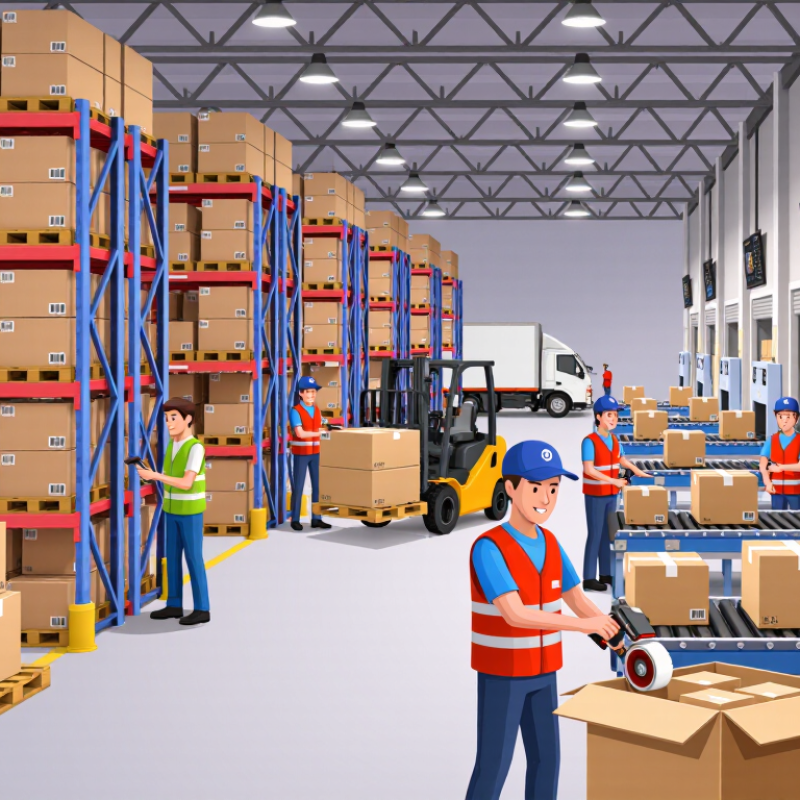
What Is Ecommerce Fulfillment and How Does It Work?

What Ecommerce Fulfillment Means

Ecommerce fulfillment is the work that happens after a customer places an online order and before the parcel reaches their door. It begins with receiving products and recording them in inventory. When an order arrives, someone or a system confirms the item, quantity, and shipping details. Staff then locate the product, pick it from a shelf, pack it securely, and hand it to a carrier. That is the core. Fulfillment may be handled by the seller, a logistics provider, or a mix of both.

The process also includes updating stock records, sharing tracking information, and handling returns when items come back. These steps shape the customer’s experience: a damaged box or an inaccurate stock count can matter as much as the item itself. A small shop might pack orders at a worktable, while a larger operation may use scanners and dedicated packing stations. The tools differ, but the goal is the same: move the correct order through each stage with care. Mistakes happen. A process can look smooth in a diagram and still feel clumsy when a popular item runs out unexpectedly. That gap is worth noticing.

The Main Components of an Ecommerce Fulfillment System

An ecommerce fulfillment system connects inventory records with the physical work of getting orders to customers. When cartons arrive, staff check quantities, scan product codes, and place items in labeled storage bins. Once a customer orders, the system reserves stock and sends a pick list to the warehouse floor. A worker retrieves each item, checks its condition, then packs it with a shipping label. Small errors travel.

Shipping is only one component. Inventory control helps prevent the website from selling items that are already gone. Order management routes purchases and tracks their status, while carrier integrations generate labels and share delivery updates. Returns need their own process: staff inspect the parcel, decide whether the item can be resold, and update stock records.

The National Retail Federation’s 2024 report estimated that 16.9% of annual retail sales would be returned, worth about $890 billion. Returns are not a side issue.

Technology can speed up these handoffs, but it cannot repair poor data by itself. MHI’s 2024 Annual Industry Report found that 55% of respondents planned to increase investment in supply chain technology and innovation. That is a strong signal, not a guarantee of smoother operations. One stale inventory count can still trigger a canceled order. It happens. Regular cycle counts, clear packing checks, and review of late-shipment patterns help teams find weak spots before customers do.

How an Order Moves from Checkout to Delivery

When a customer clicks “Place order,” fulfillment begins behind the screen. The store’s system sends order details to a warehouse or stockroom. Staff confirm the item is available, then print a packing slip. A worker finds the product on a shelf, checks its size and condition, and packs it with suitable protection. Small items may go in padded mailers; fragile goods need snug cushioning. One wrong item can create a return, extra shipping, and a disappointed customer.

After packing, the parcel receives a shipping label and enters the carrier’s network. Tracking updates record key scans, such as pickup and arrival at a local facility. Delivery times are estimates, not promises. Weather, address errors, or a missed scan can interrupt the expected path. A useful fulfillment process therefore depends on accurate inventory, clear packing instructions, and timely customer updates. Even careful teams make mistakes; reviewing recurring delays can reveal where a process needs attention.

Tips: Keep stock counts current and verify the item before sealing the package. Use packaging that fits, rather than leaving products loose in a large box. Share tracking details promptly, and give customers a clear way to report a missing or damaged delivery.

Common Ecommerce Fulfillment Models

What Is Ecommerce Fulfillment and How Does It Work?

Common Ecommerce Fulfillment Models

With in-house fulfillment, a business stores products, packs orders, and arranges shipping itself. A small team might keep cartons on warehouse shelves, print labels after each sale, and hand parcels to a carrier each afternoon. This model offers close control over packing and inventory. It also takes time. During a busy week, orders can crowd the workspace.

A third-party logistics provider stores inventory and handles tasks such as picking, packing, and shipping. This can help a growing business avoid renting and staffing its own warehouse. But costs vary with storage, order volume, and special handling. Ask how returns and stock counts are managed. Details matter. A mismatch between system records and physical shelves can delay orders.

Dropshipping works differently: a seller takes an order, then a supplier ships the product directly to the customer. The seller may need less upfront inventory, but has less control over packaging and dispatch speed. A hybrid model combines approaches, such as shipping popular items in-house while outsourcing slower-moving stock. It sounds tidy on paper. In practice, coordinating separate inventory records can be awkward, and I would check the process before scaling.

Factors That Shape Fulfillment Costs and Delivery Speed

Fulfillment costs are shaped by an order’s size, weight, storage needs, and destination. A compact item may cost little to store, while a bulky product can occupy shelf space for weeks. Slow-moving inventory adds up. Pick-and-pack fees also vary with order complexity: one item is simpler to handle than three fragile items needing separate wrapping. Packaging protects goods, but oversized boxes may increase shipping charges. Distance matters. Sending a parcel across several delivery zones usually costs more than shipping nearby. Returns and seasonal peaks can add labor and storage costs, too, and these are easy to underestimate.

Delivery speed depends on where inventory sits, when orders arrive, and how often carriers collect parcels. Stock held near customers can shorten transit time, but splitting inventory across locations may raise storage and transfer expenses. Order cutoff times matter: a purchase made after the daily pickup may wait until the next business day. Faster shipping can help meet tight deadlines, yet it does not fix inaccurate stock counts or slow packing. A clean tracking page cannot solve that. Businesses should compare actual order data, including late deliveries and return rates, rather than relying only on average shipping times. Even then, forecasts can be wrong; a sudden sales spike may expose gaps in staffing or inventory placement.

What Is Ecommerce Fulfillment and How Does It Work? — Factors That Shape Fulfillment Costs and Delivery Speed

Typical planning ranges for standard domestic parcel orders in the United States. Actual costs and transit times vary by product, location, carrier, service level, season, and order volume. Figures are illustrative, not quotes.

Fulfillment Factor Typical Cost or Range Effect on Delivery Speed How It Works
Receiving and inbound handling About $0.20–$1.00 per unit, or a fee per carton or pallet Receiving delays can postpone when inventory becomes available for sale. Staff check in incoming goods, record quantities, and move stock into storage. Clear labeling and accurate shipment records can reduce processing delays.
Storage Often charged per bin, shelf, or pallet; roughly $15–$40 per pallet per month in many standard storage arrangements Storage location affects how quickly staff can access and pick an item. Charges depend on the space used and how long inventory remains in storage. Slow-moving or bulky stock can increase storage costs.
Pick and pack About $2–$5 for the first item, with additional fees for extra items or special handling Order processing commonly takes same day to one business day when stock is available and the order arrives before the daily cutoff. A picker retrieves the ordered item, verifies it, and prepares it for shipment. More items, fragile goods, and customized packing can require extra labor.
Packaging materials About $0.25–$2.00 per order for common mailers, cartons, tape, and protective materials Standard packaging is usually quick to prepare; custom or gift packaging may add processing time. Packaging must protect the product while keeping parcel size and weight manageable. Oversized packaging can increase shipping charges.
Parcel weight and dimensions Shipping prices vary widely; billed weight may be based on actual or dimensional weight Heavier or larger parcels may have fewer economical service options and can take longer to route. Carriers may charge based on the greater of actual weight or dimensional weight. Compact, lightweight packaging can help control transportation costs.
Shipping zone and distance Longer-distance shipments generally cost more than nearby shipments Nearby deliveries may take 1–2 business days; cross-country ground deliveries commonly take about 3–5 business days. Carriers group destinations into zones based on distance from the shipping origin. Shipping from inventory closer to customers can reduce transit distance.
Delivery service level Ground is generally less expensive; expedited and overnight services cost more Common domestic options range from about 1–5 business days for ground to next-business-day service for eligible shipments. Faster services use tighter delivery commitments and may have earlier shipping cutoffs, eligibility limits, and higher rates.
Inventory placement May add storage, inbound freight, and inventory-management costs across locations Stock positioned near likely customers can shorten delivery distances and expand the number of orders eligible for faster ground service. Splitting stock across multiple facilities can improve geographic coverage but may increase replenishment complexity and the risk of stockouts at individual locations.
Order cutoff and processing schedule Usually included in handling operations; late or special-processing orders may require additional labor Orders received before a facility’s cutoff may ship the same business day; later orders typically ship the next business day. Cutoffs depend on staffing, order volume, carrier pickup times, and the time needed to pick, pack, and label orders.
Peak-season demand Temporary labor, storage, and carrier surcharges may increase costs Higher order volumes can extend processing times, while carrier networks may experience seasonal delays. Forecasting demand, positioning inventory early, and allowing extra processing time can help reduce peak-season disruption.
Returns processing Often about $3–$10 per return, depending on inspection, repackaging, and restocking work Returned items may take several business days to inspect and become available for resale. Returned goods are received, checked for condition, and either restocked, repaired, or set aside. Clear return instructions can make the process more efficient.

FAQS

What does ecommerce fulfillment include?

It covers receiving and recording products, then picking, packing, and shipping each order. It also includes stock updates, tracking, and returns.

Who can handle fulfillment for an online store?

The seller can manage it in-house, hire a logistics provider, or combine both approaches. The right choice depends on space, staff, and order volume.

How does in-house fulfillment work?

Staff store products, print labels, pack parcels, and arrange carrier pickup. A worktable and cartons may be enough for a small shop. Busy weeks can get cramped.

What does a third-party logistics provider do?

It can store inventory and handle picking, packing, and shipping. Costs may vary with storage, order volume, and special handling. Ask how returns and stock counts work.

What is dropshipping?

The seller takes an order, then a supplier ships the product directly to the customer. It can reduce upfront inventory needs. Packaging control is limited.

What is a hybrid fulfillment model?

A business might ship popular items in-house and outsource slower-moving products. This can sound tidy, but separate inventory records may be awkward to coordinate.

What affects fulfillment costs?

Size, weight, storage time, packaging, distance, and order complexity all matter. Three fragile items may take longer to pack than one compact product. Returns add work, too.

What can affect delivery speed?

Inventory location, order cutoff times, packing speed, and carrier pickup schedules all play a part. Orders placed after pickup may wait until the next business day. Tracking cannot fix slow packing.

How can a business assess fulfillment performance?

Review late deliveries, return rates, and actual order data, not just average shipping times. Forecasts can still be wrong. A sales spike may reveal staffing or stock gaps.

Conclusion

Ecommerce Fulfillment is the process of getting an online order from checkout to the customer. It includes receiving and storing inventory, tracking stock levels, picking the right items, packing orders, arranging shipment, and providing updates until delivery. Each step needs to work smoothly so orders are accurate, customers know what to expect, and returns or other post-delivery needs can be handled efficiently.

Businesses can manage fulfillment in-house, use an outside fulfillment provider, or combine both approaches. The best option depends on factors such as order volume, product storage needs, staffing, shipping destinations, and the level of control a business wants. Fulfillment costs and delivery speed are shaped by inventory location, packaging, labor, carrier choices, and shipping distance. Understanding these elements helps businesses build a reliable process that balances cost, speed, and customer experience.

Madeline

Madeline

Madeline is a dedicated marketing professional with a wealth of expertise in our company's core offerings. With a keen understanding of the industry, she brings a unique perspective to her role, consistently delivering high-quality content that highlights the superior aspects of our products. As......